


PORT CRANE
- Loading And Unloading Crane
- Boat Crane
- Portal Crane
HOT PRODUCTS
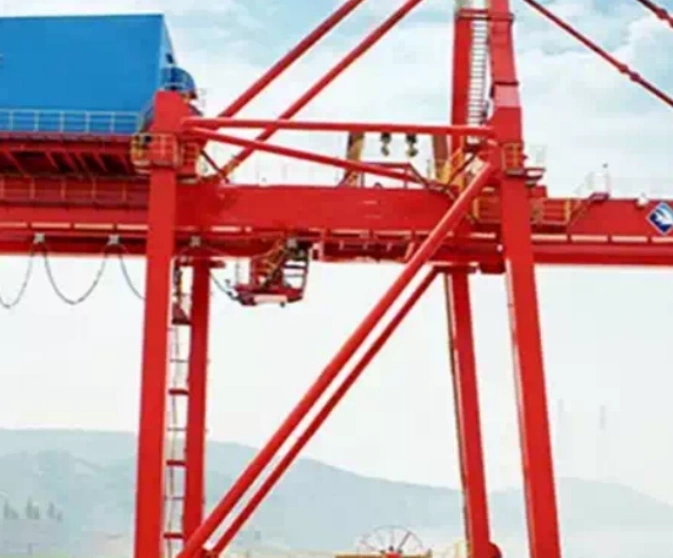
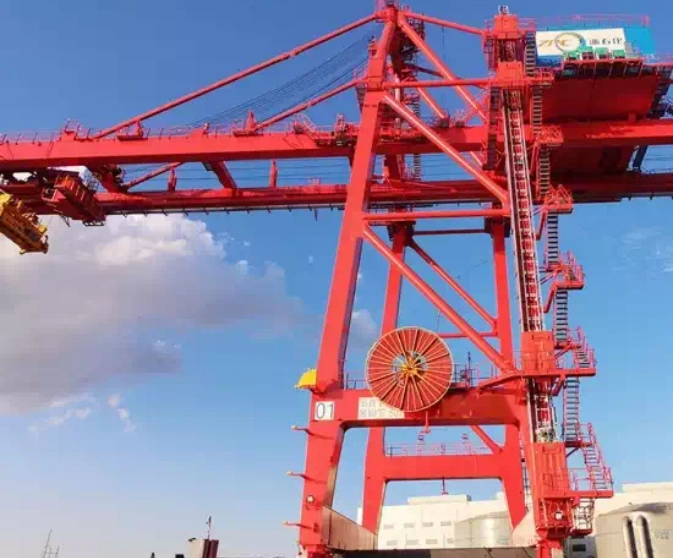
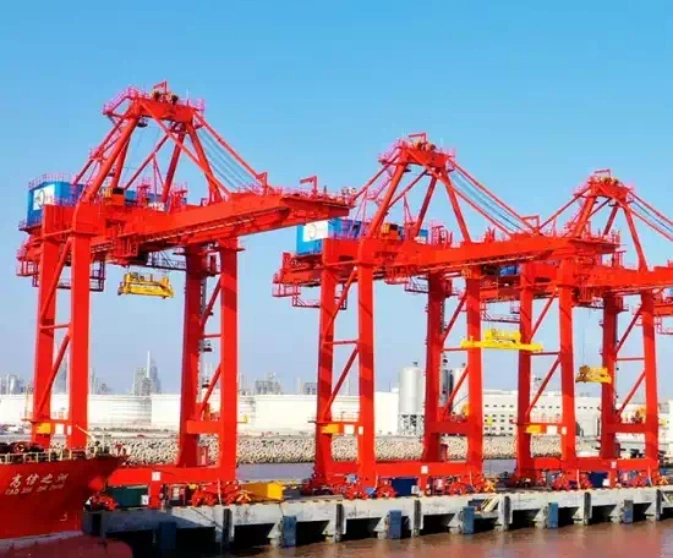
Quey Ship To Shore Container Crane
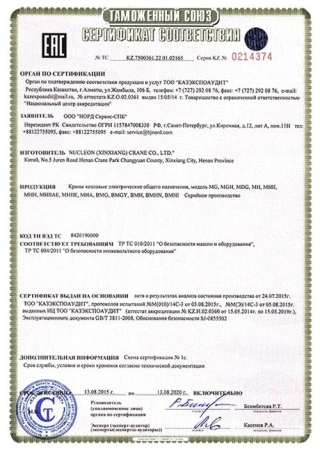
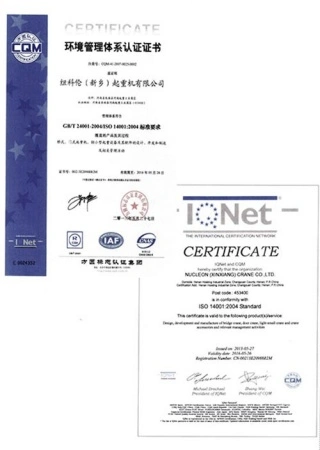
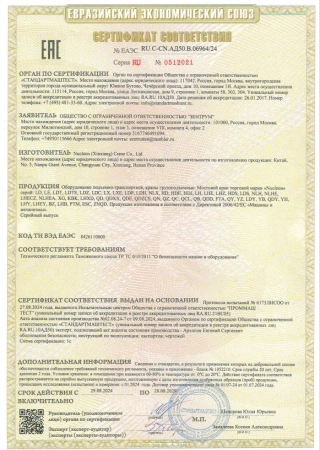
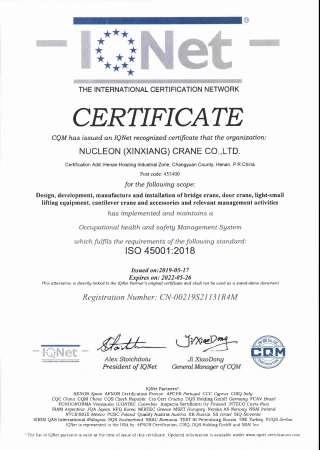
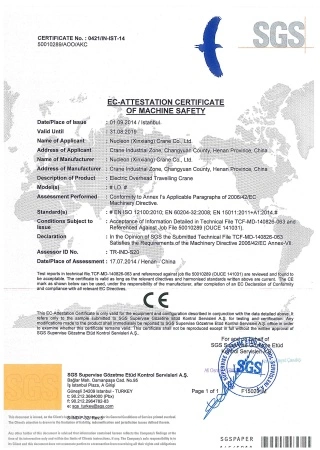
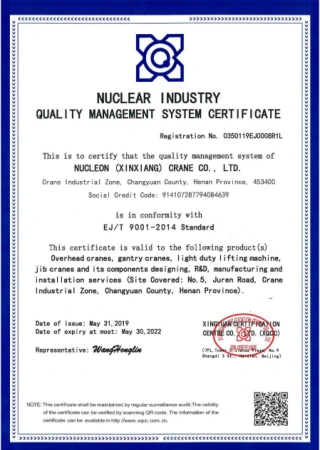
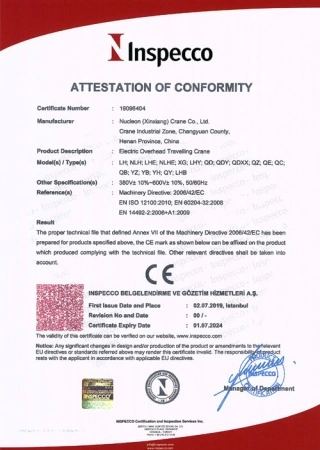
Authentication mark:


Seaport Terminal, Dedicated Container Terminal, Multipurpose Terminal, Deep-water Port, Transshipment Hub, Rail-sea Intermodal Station
Capacity:
30 t – 80 t customizable
Lifting Height:
30 m – 55 m
Span:
16 m – 60 m
Voltage/Hertz:
kV – 35kV, 50Hz / 60Hz
Working Class:
A7 – A8
Get A Free Quote

Introduction
Application Scenario
Advantages
Structural Diagram And Parameter Table
INTRODUCTION
What is this?
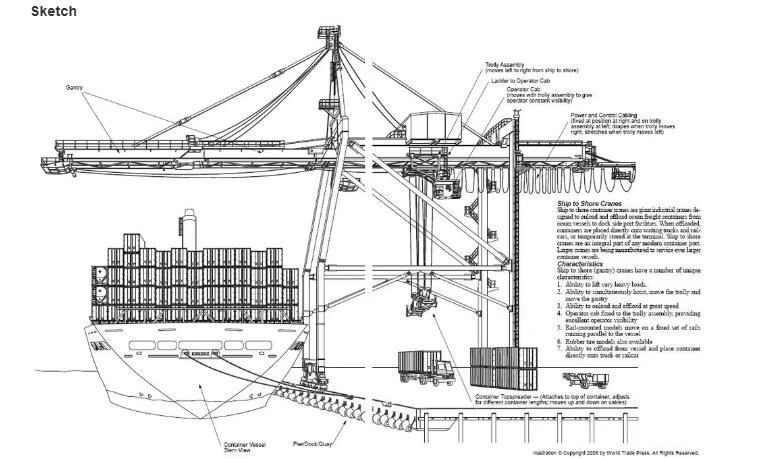
The quay ship to shore container crane is a large lifting device specifically designed for ship loading and unloading operations at port terminals. Through the lifting and lowering of the spreader, the back-and-forth movement of the trolley, and the luffing of the boom, combined with crane traveling along dock rails, it achieves fast loading and unloading of container ships. If you are managing a seaport terminal, dedicated container terminal, or multipurpose terminal, and need a ship-to-shore handling device with long outreach, high lifting height, and fast operating efficiency, then this product is designed for you.
Why choose a quay ship to shore container crane over a standard gantry crane?
Compared to standard gantry cranes, the quay ship to shore container crane offers five core advantages:
First, long outreach – the boom can extend beyond the dock front, with outreach from 35 meters to 70 meters, covering the holds of large container ships.
Second, high lifting height – lifting height above rail can reach 30 meters to 62 meters, accommodating the loading/unloading requirements of ultra-large container ships (200,000 DWT and above).
Third, fast operating efficiency – trolley traveling speed up to 200-240 m/min, hoisting speed up to 40-90 m/min, single-unit operational efficiency reaching 30-45 containers per hour.
Fourth, boom luffing function – the boom can luff up and down, raised during non-operation to allow vessel passage, and lowered during storms to reduce wind resistance.
Fifth, comprehensive intelligent configuration – standard anti-sway system, automatic spreader positioning, vessel motion following, truck guidance, and other intelligent functions.
Enhance your port container handling capacity with more professional quay ship to shore container cranes.
What can we do for you?
We understand that every port has different vessel types, different berth conditions, and different operational efficiency requirements. Therefore, we offer flexible customization options: lifting capacity from 30 tons to 80 tons; outreach from 35 meters to 70 meters; lifting height from 30 meters to 62 meters above rail, and 12-25 meters below rail; boom luffing angle customized according to dock clearance; rail gauge from 16 meters to 60 meters; spreader options including single-box, twin-box, and telescopic; control options of cabin or remote radio control. Whether your port is a small to medium-sized feeder port or a large hub port, we can match the most suitable outreach and lifting height for you.
Unsure? Don't know?
Not sure what outreach is needed to cover your largest vessel type? Not sure what lifting height is needed to handle your largest vessel? No problem. Just tell us: your largest vessel beam width and TEU capacity, your dock front water depth, your berth length, and your target operational efficiency (containers per hour). Our engineers will provide you with an accurate quote and CAD drawings within 24 hours. Click the button below or contact us via WhatsApp/email to get your customized solution.
💡 Tip: We offer free selection consulting. Even if you are unsure about specific parameters, feel free to describe your dock conditions and vessel types, and we will calculate for you.
The quay ship to shore container crane is a large lifting device specifically designed for ship loading and unloading operations at port terminals. Through the lifting and lowering of the spreader, the back-and-forth movement of the trolley, and the luffing of the boom, combined with crane traveling along dock rails, it achieves fast loading and unloading of container ships. If you are managing a seaport terminal, dedicated container terminal, or multipurpose terminal, and need a ship-to-shore handling device with long outreach, high lifting height, and fast operating efficiency, then this product is designed for you.
Why choose a quay ship to shore container crane over a standard gantry crane?
Compared to standard gantry cranes, the quay ship to shore container crane offers five core advantages:
First, long outreach – the boom can extend beyond the dock front, with outreach from 35 meters to 70 meters, covering the holds of large container ships.
Second, high lifting height – lifting height above rail can reach 30 meters to 62 meters, accommodating the loading/unloading requirements of ultra-large container ships (200,000 DWT and above).
Third, fast operating efficiency – trolley traveling speed up to 200-240 m/min, hoisting speed up to 40-90 m/min, single-unit operational efficiency reaching 30-45 containers per hour.
Fourth, boom luffing function – the boom can luff up and down, raised during non-operation to allow vessel passage, and lowered during storms to reduce wind resistance.
Fifth, comprehensive intelligent configuration – standard anti-sway system, automatic spreader positioning, vessel motion following, truck guidance, and other intelligent functions.
Enhance your port container handling capacity with more professional quay ship to shore container cranes.
What can we do for you?
We understand that every port has different vessel types, different berth conditions, and different operational efficiency requirements. Therefore, we offer flexible customization options: lifting capacity from 30 tons to 80 tons; outreach from 35 meters to 70 meters; lifting height from 30 meters to 62 meters above rail, and 12-25 meters below rail; boom luffing angle customized according to dock clearance; rail gauge from 16 meters to 60 meters; spreader options including single-box, twin-box, and telescopic; control options of cabin or remote radio control. Whether your port is a small to medium-sized feeder port or a large hub port, we can match the most suitable outreach and lifting height for you.
Unsure? Don't know?
Not sure what outreach is needed to cover your largest vessel type? Not sure what lifting height is needed to handle your largest vessel? No problem. Just tell us: your largest vessel beam width and TEU capacity, your dock front water depth, your berth length, and your target operational efficiency (containers per hour). Our engineers will provide you with an accurate quote and CAD drawings within 24 hours. Click the button below or contact us via WhatsApp/email to get your customized solution.
💡 Tip: We offer free selection consulting. Even if you are unsure about specific parameters, feel free to describe your dock conditions and vessel types, and we will calculate for you.
APPLICATION SCENARIO
[1] Loading and unloading of large container vessels at seaport terminals, enabling rapid ship-to-shore container transfer.
[2] Dedicated container terminals, coordinating with trucks or automated guided vehicles for container movement between quayside and yard.
[3] Deep-water port operations for ultra-large container vessels (200,000 DWT and above), meeting requirements for long outreach and high lifting height.
[4] Multipurpose terminals, handling mixed operations of containers, bulk cargo, and general cargo.
[5] Container transshipment hubs, facilitating container transfer between different shipping routes and vessel types.
[6] Rail-sea intermodal stations, completing intermodal container transfer from vessels to trains.
[2] Dedicated container terminals, coordinating with trucks or automated guided vehicles for container movement between quayside and yard.
[3] Deep-water port operations for ultra-large container vessels (200,000 DWT and above), meeting requirements for long outreach and high lifting height.
[4] Multipurpose terminals, handling mixed operations of containers, bulk cargo, and general cargo.
[5] Container transshipment hubs, facilitating container transfer between different shipping routes and vessel types.
[6] Rail-sea intermodal stations, completing intermodal container transfer from vessels to trains.
ADVANTAGES
[1] Long outreach – boom extends 35 to 70 meters, covering all cargo holds of large container vessels.
[2] High lifting height – up to 30-62 meters above rail, meeting loading/unloading requirements for ultra-large deep-hold vessels.
[3] Fast operating efficiency – hoisting speed of 40-90 m/min, single-unit efficiency reaching 30-45 containers per hour.
[4] Comprehensive intelligent features – standard anti-sway, auto positioning, vessel following, and truck guidance systems.
[5] Boom luffing function – raised during non-operation to allow vessel passage, lowered during storms to reduce wind resistance.
[6] High duty class (A7-A8) – robust structure designed for 24/7 continuous port operations.
[3] Fast operating efficiency – hoisting speed of 40-90 m/min, single-unit efficiency reaching 30-45 containers per hour.
[4] Comprehensive intelligent features – standard anti-sway, auto positioning, vessel following, and truck guidance systems.
[5] Boom luffing function – raised during non-operation to allow vessel passage, lowered during storms to reduce wind resistance.
[6] High duty class (A7-A8) – robust structure designed for 24/7 continuous port operations.
STRUCTURAL DIAGRAM AND PARAMETER TABLE
| Parameter | Range / Options |
|---|---|
| Lifting capacity - under spreader | 30 t – 80 t |
| Outreach | 35 m – 70 m |
| Backreach | 12 m – 25 m |
| Lifting height - above rail | 30 m – 55 m |
| Lifting height - below rail | 15 m – 25 m |
| Hoisting speed | 40 m – 90 m/min |
| Trolley traveling speed | 180 m – 240 m/min |
| Gantry traveling speed | 25 m – 45 m/min |
| Rail gauge | 16 m – 30 m |
| Spreader type | Single / Twin / Telescopic |
| Control mode | Cabin / Remote |
| Intelligent features | nti-sway / Auto positioning / Vessel following / Truck guidance |
| Working Class | A7 – A8 |


 Free Technical Consultation



